
INDIVIDUAL ATTACHMENT GUIDE
Grading Buckets
Types, width and capacity, tilt options, coupler compatibility, cutting edges, operating technique and maintenance.
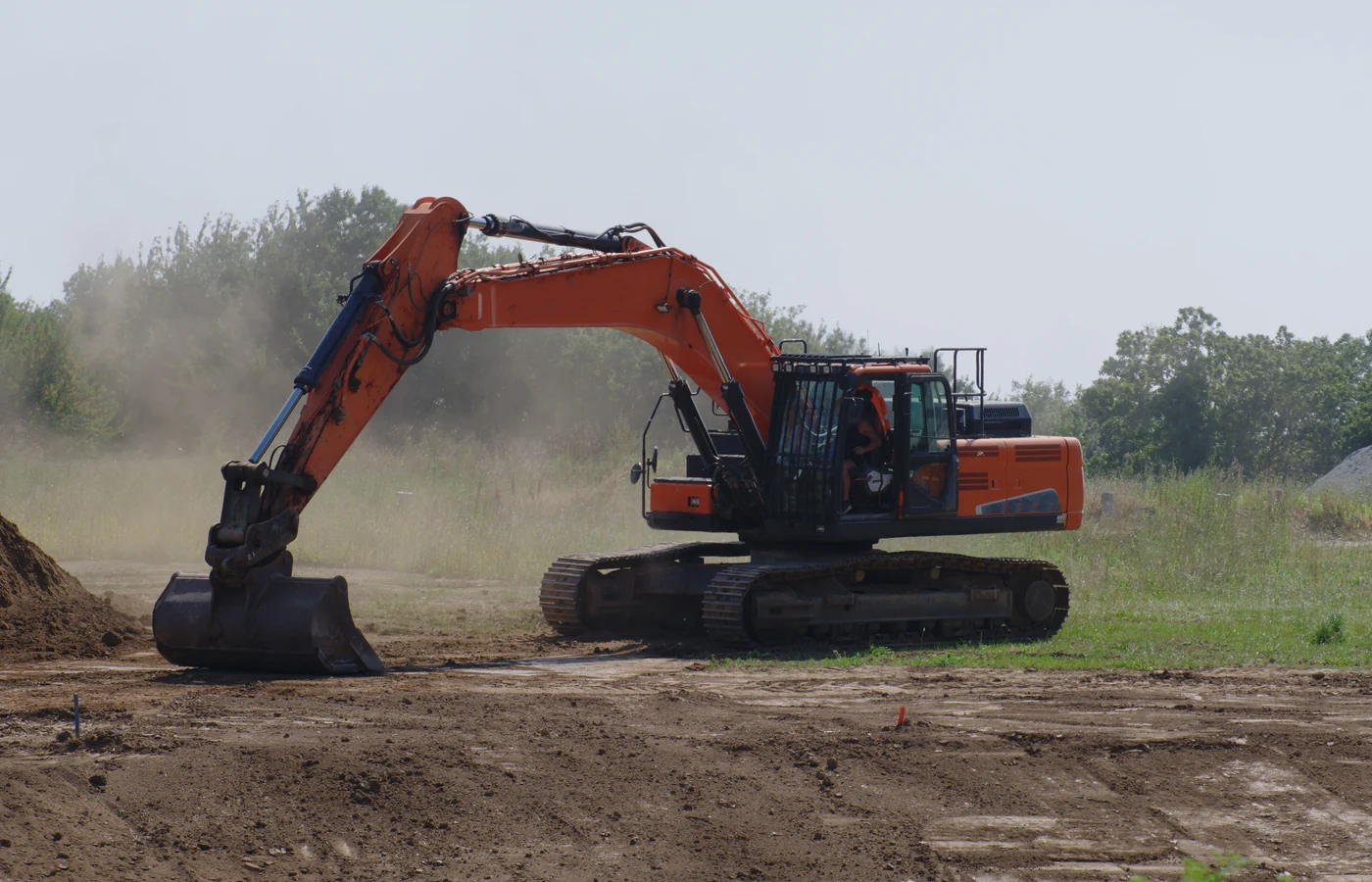
A grading bucket is designed to spread, level, shape and clean rather than penetrate hard ground. The best result comes from matching bucket width, weight, geometry and mounting system to the excavator and the finish required.
NAVIGATE THE GUIDE
Find the information you need
Use the guide as a practical route from application to final machine approval.
SECTION 1
Bucket Types
Compare fixed, ditch-cleaning, hydraulic tilt and tiltrotator-optimised grading buckets.
SECTION 2
Compatibility
Check carrier size, attachment weight, width, coupler geometry and hydraulic requirements.
SECTION 3
Cutting Edge & Shape
Understand smooth edges, bolt-on edges, chamfered corners, shell profile and wear protection.
SECTION 4
Selection Checklist
Work through the final questions before choosing a bucket for grading, slopes or cleanup.
HOW IT WORKS
What makes a grading bucket different?
A grading bucket is normally wider and shallower than a digging bucket. Its broad smooth cutting edge creates a long contact line with the ground, while the shell carries loose material for spreading, backfilling and cleanup.
The design prioritises control and surface finish over penetration. A wide floor, smooth internal transitions and a predictable tip radius help the operator skim high points, carry a thin layer of material and release it gradually.
- Wide working edge: covers more ground per pass and helps average small surface irregularities.
- Smooth profile: supports finishing without leaving tooth marks.
- Shallow shell: improves visibility and allows controlled material release.
- Optional tilt: changes crossfall or slope angle without repositioning the excavator.
BUCKET DESIGNS
Main grading bucket types
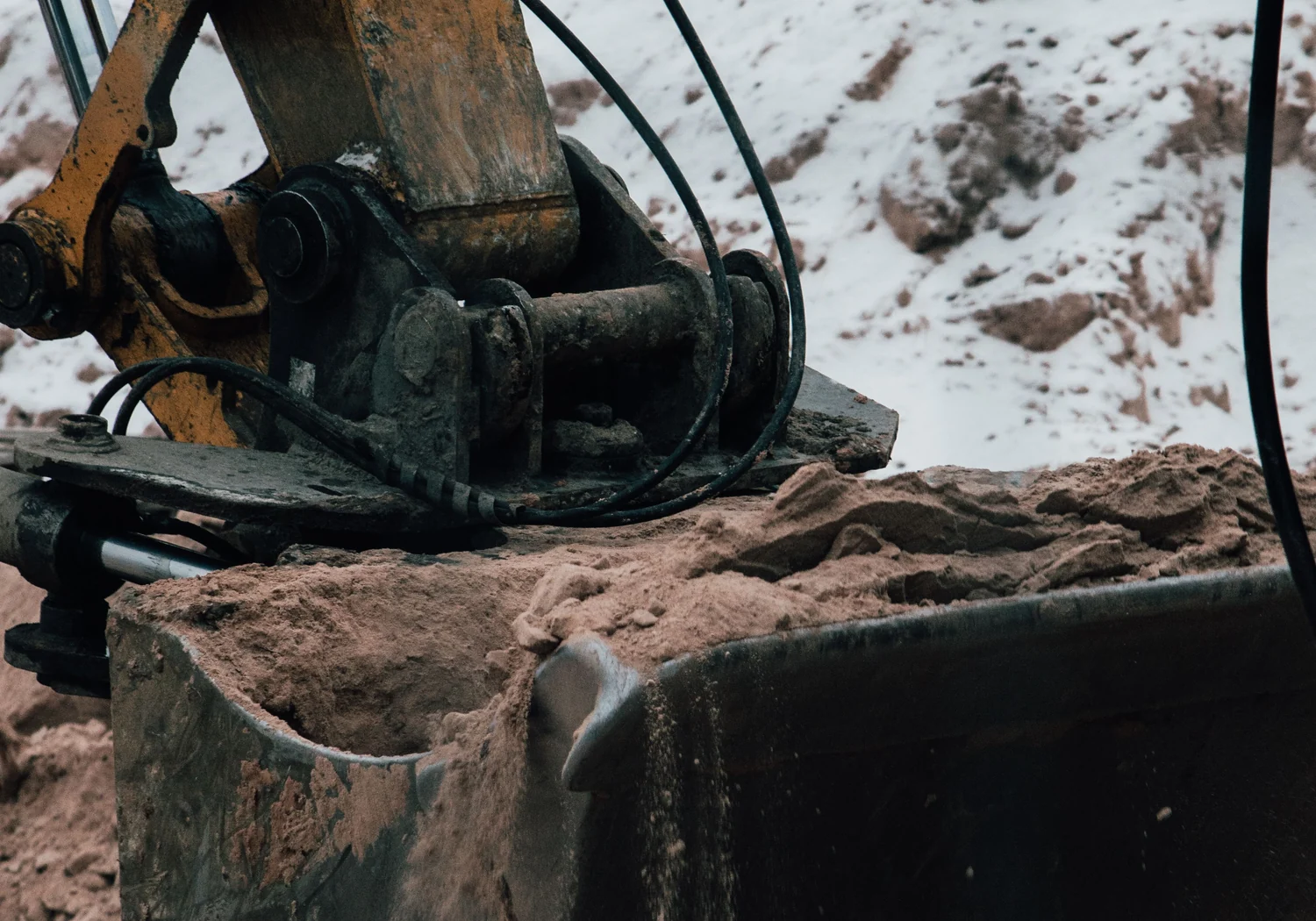
The name alone is not enough. Compare the working edge, shell depth, tilt system, corner shape, wear package and intended material.
TYPE 1
Fixed grading bucket
A simple rigid bucket for levelling, backfilling, cleanup and light loading. It is usually the lightest and least complex option.
TYPE 2
Ditch-cleaning bucket
A wide, high-capacity profile for cleaning drainage channels, dressing slopes and moving loose material. Some designs include drainage openings.
TYPE 3
Hydraulic tilt bucket
A bucket with an integrated tilt mechanism, commonly used to create crossfall, shape banks and work around obstacles without moving the carrier.
TYPE 4
Tiltrotator grading bucket
A geometry designed for rotating and tilting systems, often with chamfered corners and a shell angle that retains material while the bucket rotates.
TYPE 5
High-capacity cleanup bucket
A deeper version for loading light material, removing spoil and cleaning broad trenches where volume matters more than a fine final surface.
TYPE 6
Heavy-duty grading bucket
Reinforced floor, sides and top structure for abrasive aggregate or demanding site work. Extra protection increases weight and must be included in the carrier check.
MACHINE MATCHING
Grading bucket compatibility
A bucket can fit the coupler and still be unsuitable for the machine. Width, empty mass, loaded mass, centre of gravity and any hydraulic tilt mechanism all affect stability and control.
CHECK 1
Carrier operating range
Use the bucket supplier and excavator manufacturer limits. The same nominal machine class can have different boom, counterweight and undercarriage configurations.
CHECK 2
Coupler geometry
Confirm coupler standard, pin diameter, centres, ear width, pickup dimensions and locking clearance before delivery.
CHECK 3
Bucket width
The widest bucket is not automatically the best. Excess width increases leverage, side loading and the risk of striking structures or trench walls.
CHECK 4
Empty and loaded mass
Include the quick coupler, tiltrotator, bucket and realistic material load. Light wet soil can become much heavier than expected.
CHECK 5
Hydraulic requirements
A tilt bucket needs the correct auxiliary circuit, pressure, flow, hoses, couplers and control method. Check hose routing through the full movement range.
CHECK 6
Working radius and stability
A wide loaded bucket held far from the machine creates more overturning moment. Assess the least stable working position, not only the transport position.
Compatibility is a complete system check
The attachment interface, carrier configuration and task must be considered together. A hydraulic tilt bucket adds cylinders, pivots and hose movement, while a tiltrotator adds further mass and changes the bucket position relative to the machine.
- Check the excavator lift and attachment limits at the real working radius.
- Confirm that the bucket can fully curl without contacting the stick, coupler or tiltrotator.
- Verify transport width and site access before selecting an unusually wide bucket.
- Use approved mounting parts and test the locking system after installation.
SIZING
Width, capacity and material load
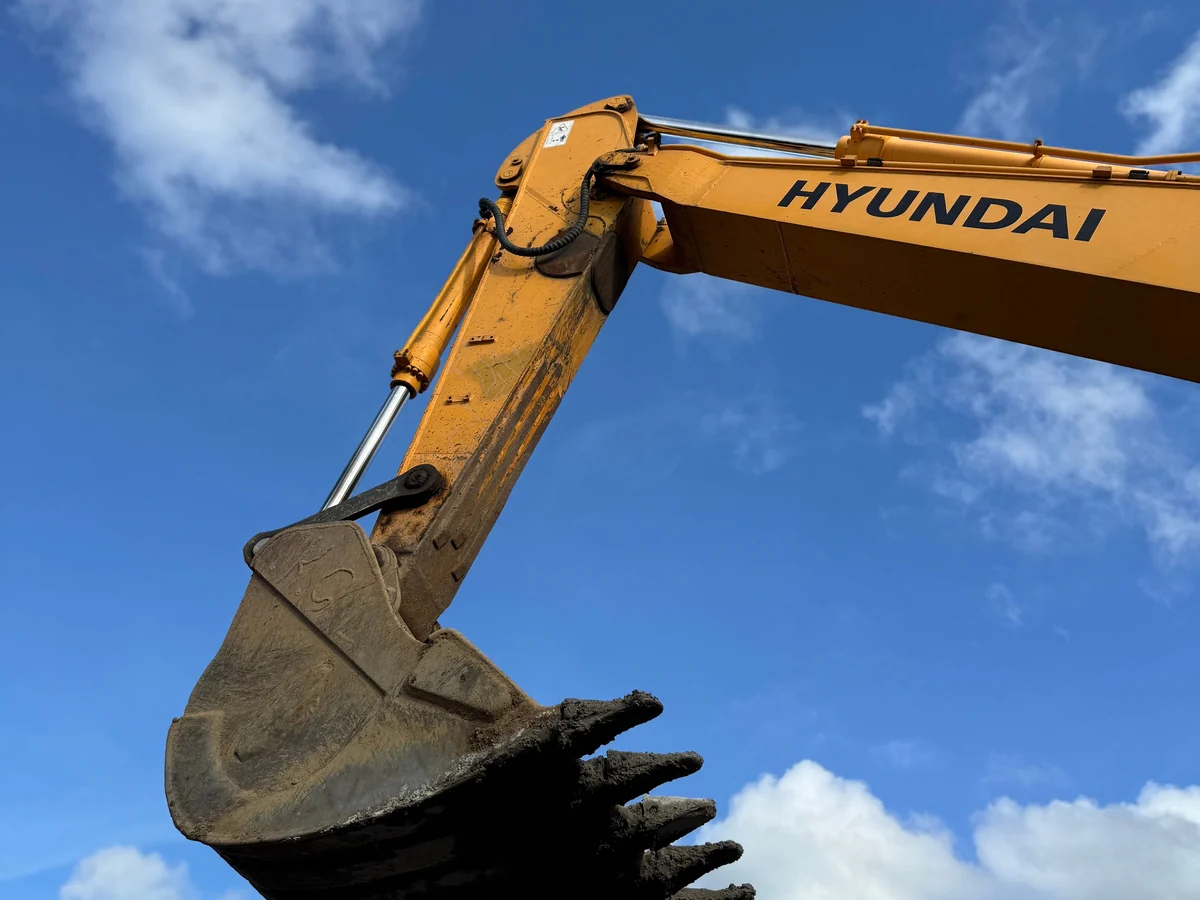
Bucket width controls coverage and finishing speed, but it also changes mass, leverage and the amount of material that can be carried. Select width for the surface and site constraints rather than choosing the largest option available.
Start with the required finish
A wider edge is useful on open surfaces and broad slopes. A narrower bucket is easier to control near foundations, walls, utilities and narrow drainage channels.
Calculate loaded weight
Use the manufacturer capacity and a realistic material density. Wet clay, saturated soil and dense aggregate can create a much higher load than dry loose topsoil.
Keep enough control authority
The machine must still be able to curl, raise and place the bucket smoothly. A bucket that is technically liftable but difficult to control will not produce a good finish.
BUCKET GEOMETRY
Cutting edge, corners and shell shape
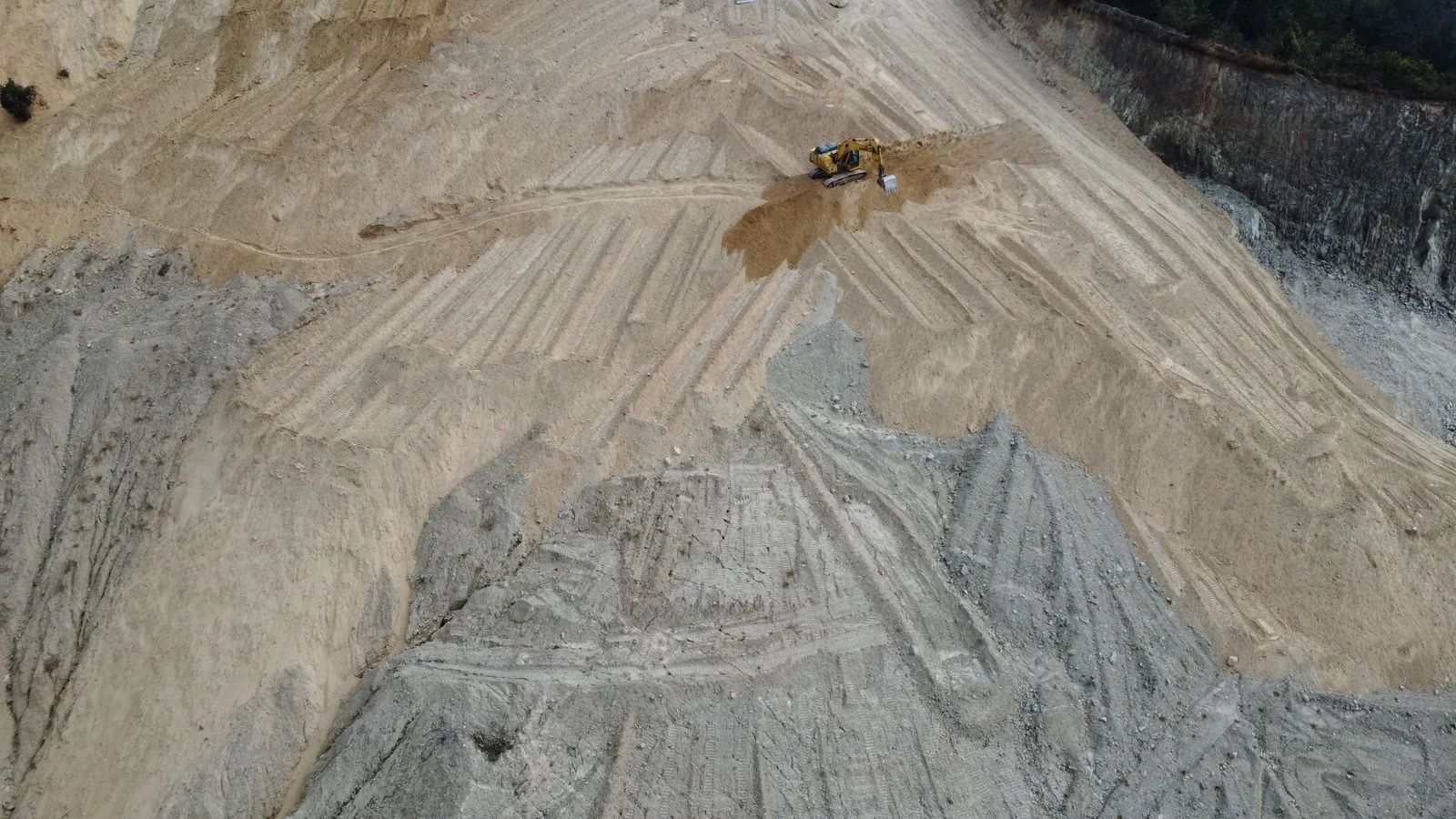
The working edge and shell profile determine how the bucket enters loose material, follows the surface and releases the load. Small design differences are important when the bucket is rotated close to buildings or used for precise slope work.
- Smooth cutting edge: produces an even finish without tooth marks.
- Bolt-on reversible edge: protects the base edge and can reduce repair downtime.
- Extended edge: improves visibility of the contact line and helps work close to an obstacle.
- Chamfered corners: reduce collision risk when rotating near walls, kerbs and services.
- Conical or tapered shell: can improve filling and material release.
- Bottom and side wear strips: protect high-contact areas but add attachment mass.

Important: teeth are normally associated with digging buckets, not finish grading. A grading bucket is usually selected with a smooth working edge unless a manufacturer offers a specific toothed configuration for the task.
COMMON JOBS
Where grading buckets are used
Grading buckets are most effective in loose or previously disturbed material where surface control, cleanup and shaping matter more than high penetration force.
Final grading and foundations
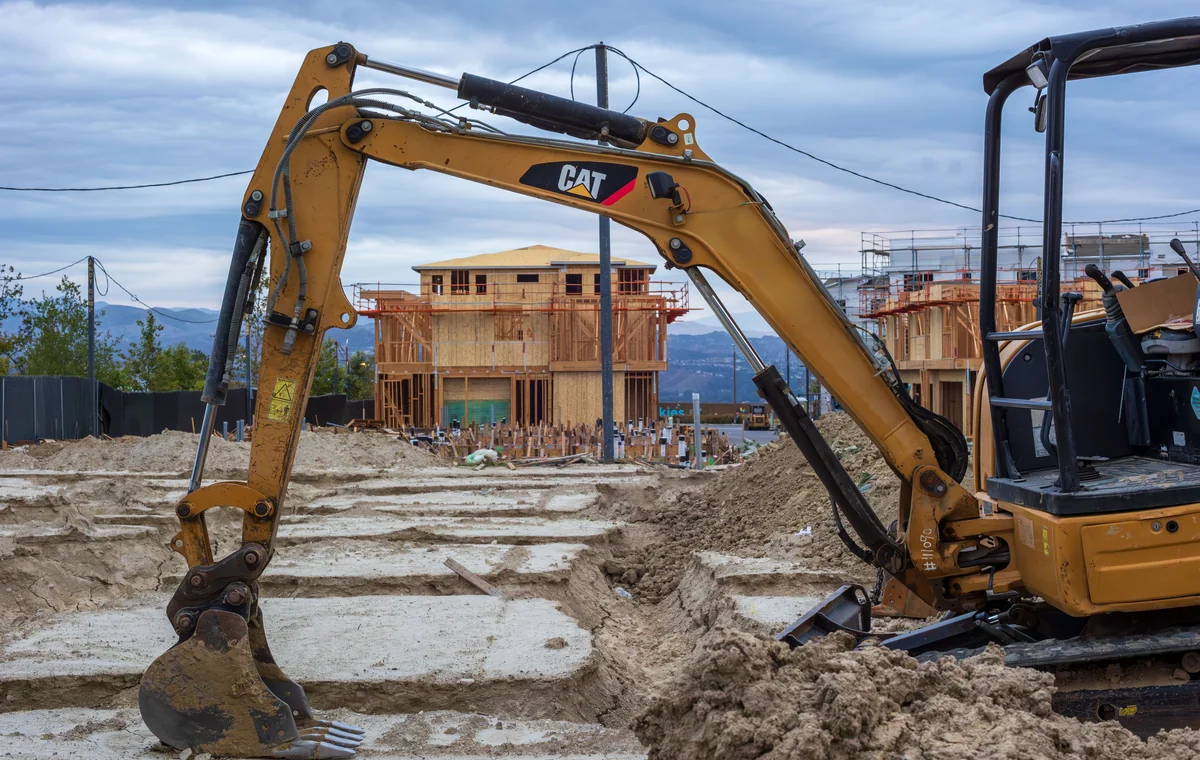
Trim formation levels, spread sub-base, clean around footings and prepare surfaces before compaction. Work in shallow passes so the edge remains visible and the machine stays stable.
Sand, topsoil and light material
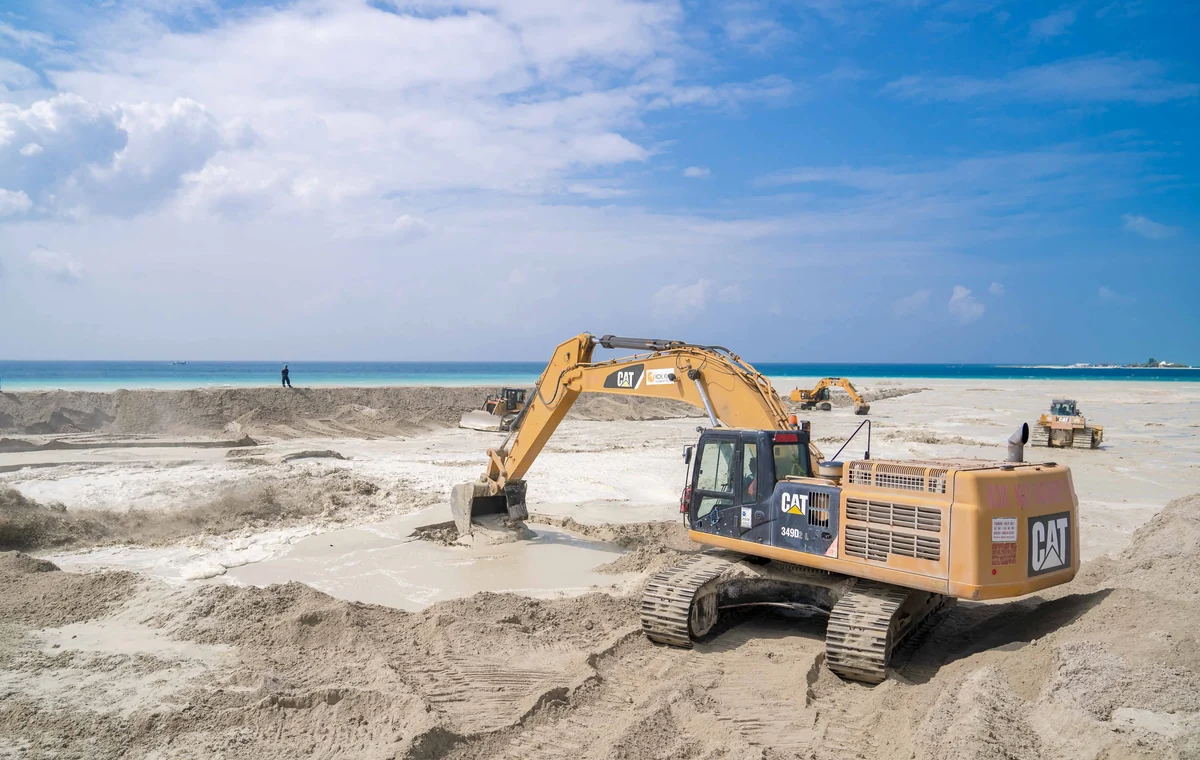
A wide bucket can spread sand, topsoil, mulch and other loose material efficiently. Check capacity carefully because the same bucket may be unsuitable for much denser wet material.
Ditches, slopes and drainage
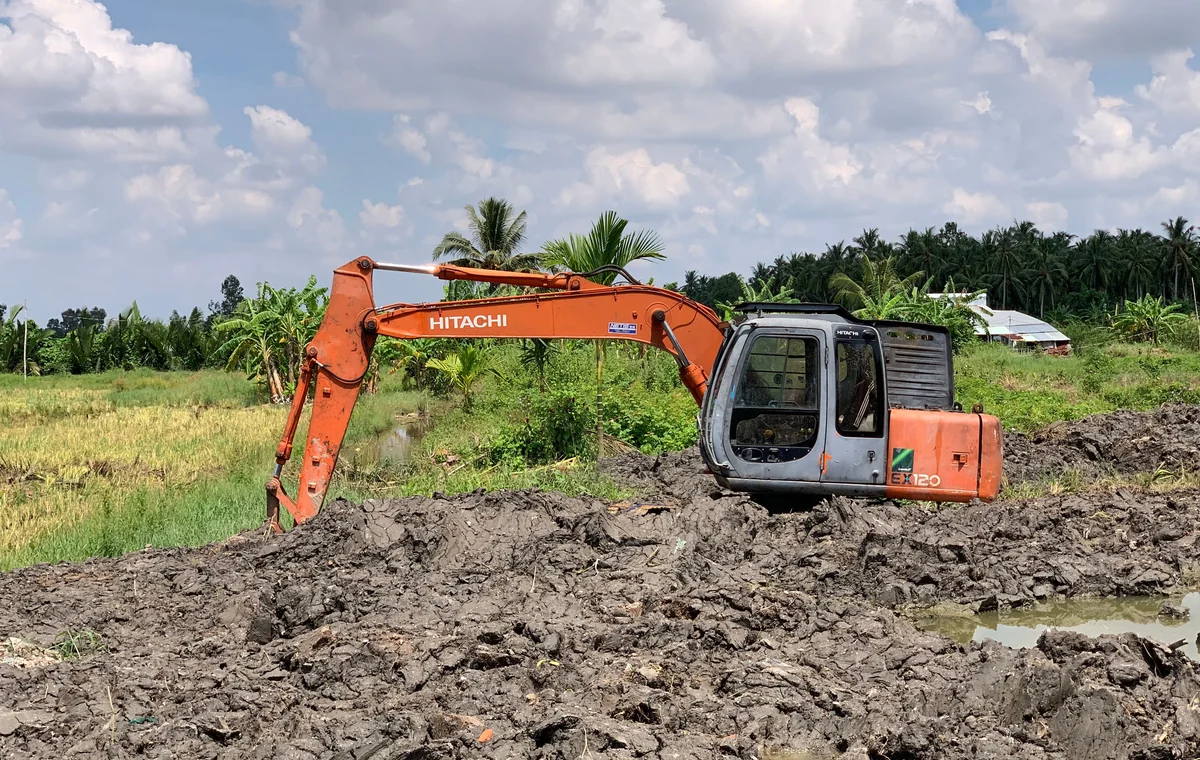
Clean ditch bottoms, dress banks and form drainage slopes. A tilt bucket or tiltrotator reduces machine repositioning and makes it easier to maintain a consistent crossfall.
Landscaping and site cleanup
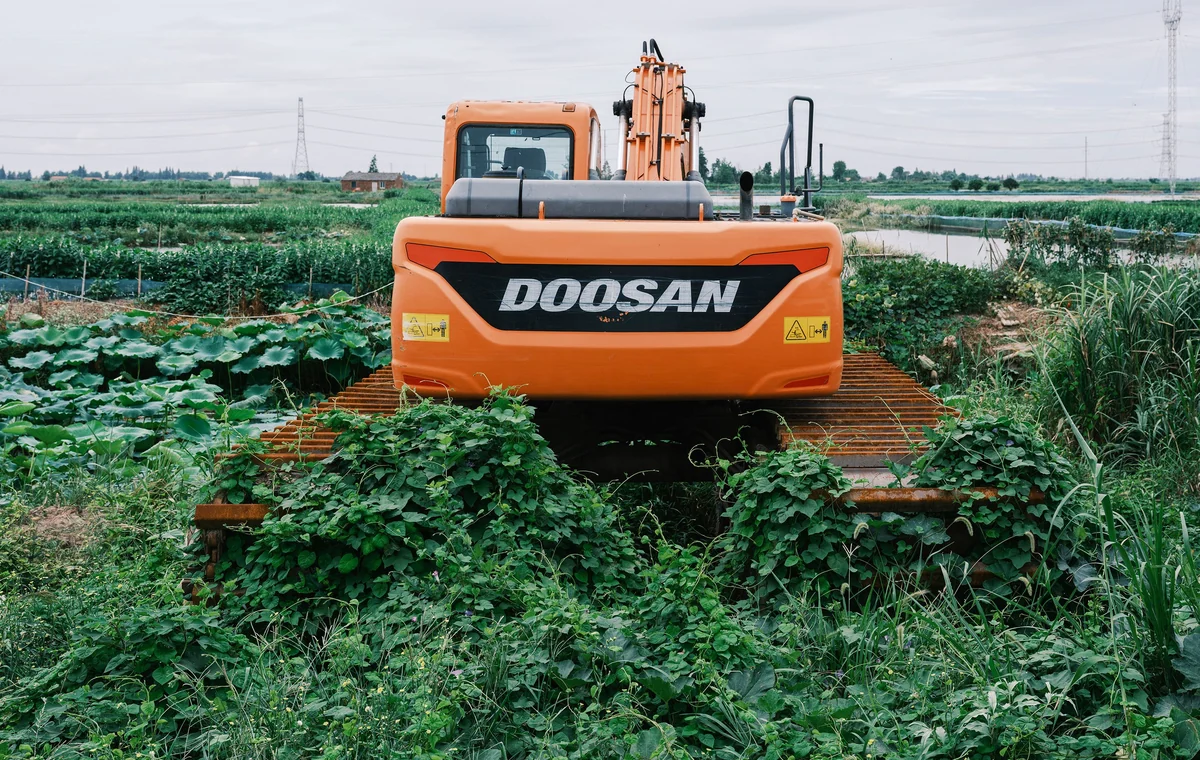
Backfill around structures, remove loose spoil, shape verges and restore disturbed ground. A smooth edge limits gouging when the bucket is used carefully.
OPERATING TECHNIQUE
How to get a clean, consistent finish
Good grading depends as much on machine setup and technique as on the bucket itself. Use the bucket as a controlled finishing tool rather than forcing it like a digging bucket.
- Prepare the surface: remove large rocks and break down high spots before final grading.
- Use shallow passes: carry a thin layer instead of overfilling the bucket.
- Keep the cutting edge visible: adjust machine position and boom angle to maintain a clear sight line.
- Work from a stable platform: an uneven carrier creates an uneven result.
- Avoid aggressive side loading: do not use the bucket corner as a pry bar or push sideways against fixed objects.
- Finish with consistent direction: overlapping passes reduce ridges and low spots.
INSPECTION
Grading bucket maintenance
Because the cutting edge and floor remain in contact with the ground, wear can change the bucket geometry and directly affect finish quality. Inspect the attachment before defects reach the main shell or top structure.
- Measure cutting-edge wear and replace or reverse bolt-on edges before the base edge is damaged.
- Inspect floor, heel, side corners and wear strips for thinning and local distortion.
- Check top structure, ears, coupler hooks and weld transitions for cracks.
- Lubricate tilt pivots according to the attachment instructions.
- Inspect cylinders, pins, hoses and fittings for leaks, abrasion and excessive play.
- Remove packed material that can hide damage or prevent free movement.
TROUBLESHOOTING
Common grading bucket problems
A poor finish is not always an operator issue. Bucket wear, machine setup and attachment play can produce the same symptoms.
PROBLEM 1
Ridges or waves in the finish
Possible causes include an unstable machine platform, excessive bucket angle, worn cutting edge, fast travel or inconsistent pass overlap.
PROBLEM 2
Bucket chatters across the surface
Reduce pressure on the edge, slow the movement, use a shallower cut and check for play in pins, coupler or tilt mechanism.
PROBLEM 3
Material spills when rotating
The bucket may be overfilled, too shallow for the task or not designed for the tiltrotator geometry. Reduce the load and review shell angle.
PROBLEM 4
Material sticks inside
Wet clay can pack into sharp internal corners. A smoother tapered shell and correct release angle may improve discharge.
PROBLEM 5
Uneven edge wear
Check machine setup, operator technique, bucket alignment, coupler play and whether one corner is being used for repeated side work.
PROBLEM 6
Cracks around ears or tilt frame
Stop using the attachment and investigate overload, side loading, loose pins, incorrect fit or fatigue before repair.
BUYING PROCESS
Grading bucket selection checklist
Work through these steps before comparing price. The correct bucket should be easy to control, compatible with the carrier and suited to the finish required.
STEP 1
Define the task
Final grading, ditch cleaning, slope shaping, backfilling, loading light material or a mixture of these?
STEP 2
Describe the material
Record density, moisture, abrasiveness, stone content and whether the material tends to stick.
STEP 3
Choose fixed or tilting
Decide whether machine repositioning is acceptable or whether integrated tilt or a tiltrotator is required.
STEP 4
Select width and capacity
Balance surface coverage against attachment mass, visibility, access width and loaded stability.
STEP 5
Confirm the interface
Verify coupler standard, pickup geometry, locking clearance and full curl movement.
STEP 6
Specify edge and wear package
Choose smooth or bolt-on edge, corner shape, bottom protection and hydraulic hose protection.
STEP 7
Check the complete load case
Include coupler, tiltrotator, bucket and material at the least stable working radius.
STEP 8
Obtain supplier approval
Use the exact excavator configuration, not only nominal machine tonnage, before ordering.
Do not select by excavator tonnage alone
Two excavators in the same class can have different couplers, booms, counterweights, hydraulic circuits and stability limits. Give the supplier the complete machine and attachment configuration.
SAFETY
Safety considerations
Follow the excavator, coupler, tiltrotator and bucket instructions. Confirm that the attachment is locked before work, keep people outside the operating area and never work beneath a raised attachment.
- Inspect quick-coupler locking indicators and perform the specified attachment test.
- Account for the additional swing radius and width of a wide or tilted bucket.
- Do not exceed approved lift, slope or attachment limits.
- Lower the bucket before leaving the cab or carrying out inspection.
- Isolate hydraulic pressure before working on tilt cylinders, hoses or couplers.
- Use suitable exclusion zones around trenches, structures, utilities and public areas.
FAQ
Frequently asked questions about grading buckets
What is a grading bucket used for?
It is used for levelling, spreading, backfilling, ditch cleaning, slope shaping and site cleanup in loose or previously disturbed material.
What is the difference between a digging bucket and a grading bucket?
A digging bucket is narrower and designed for penetration. A grading bucket is wider, shallower and normally has a smooth edge for finishing and material spreading.
Should a grading bucket have teeth?
Usually no. A smooth edge gives a cleaner finish. Teeth are generally chosen for penetration and are more typical of digging buckets.
Is a tilt bucket the same as a tiltrotator bucket?
No. A tilt bucket has its own tilting mechanism. A tiltrotator bucket mounts to a separate rotating and tilting attachment and may use different shell and corner geometry.
How wide should a grading bucket be?
Wide enough to cover the required surface efficiently, but not so wide that weight, leverage, visibility, transport or access become unacceptable.
Can a grading bucket be used for digging?
It can move loose material, but it is not normally the best tool for hard excavation because its wide edge reduces penetration and increases loading.
Why does material fall out when the bucket is rotated?
The bucket may be overfilled or its geometry may not suit the rotation angle. Reduce the load and use a bucket designed for the tiltrotator or tilt system.
What causes an uneven graded surface?
Common causes include an uneven machine platform, worn edge, excessive bucket angle, loose linkage, fast movements or inconsistent pass overlap.
Do grading buckets require hydraulics?
Fixed buckets do not. Hydraulic tilt buckets require an auxiliary circuit, while buckets used on a tiltrotator rely on the tiltrotator system.
How often should the cutting edge be inspected?
Inspect it during routine pre-use checks and more often in abrasive material. Replace or reverse a bolt-on edge before wear reaches the structural base edge.
CONTINUE EXPLORING
Related guides and directories
RELATED GUIDE
Digging Buckets
Compare excavation bucket types, sizing, teeth, wear protection and carrier compatibility.
CATEGORY
Earthmoving Attachments
Browse buckets, rippers, augers, compactors and other tools for ground preparation.
MACHINE GUIDE
Excavator Attachments
See the main attachment families used on crawler, wheeled and compact excavators.
BROWSE BY JOB
Applications
Browse attachments by job, including grading, drainage, landscaping and site preparation.
COMPLETE MACHINE MATCH
Match the bucket to the complete machine
Use exact machine configuration, coupler, tilt system, bucket dimensions and material conditions before making a final selection.